A Deep Dive into Retail Healthcare
When the word “medical services ” is mentioned, hospitals, ambulatory surgery centers, outpatient clinics and medical office buildings might come to mind.
The increased need for healthcare has led to greater space demands in this sector in recent years. According to a Cushman & Wakefield article, “an aging baby boomer cohort and the impact of a global pandemic is driving the rising demand for a wide range of medical services.”
Enter the concept of “medtail.”
Explaining Medtail
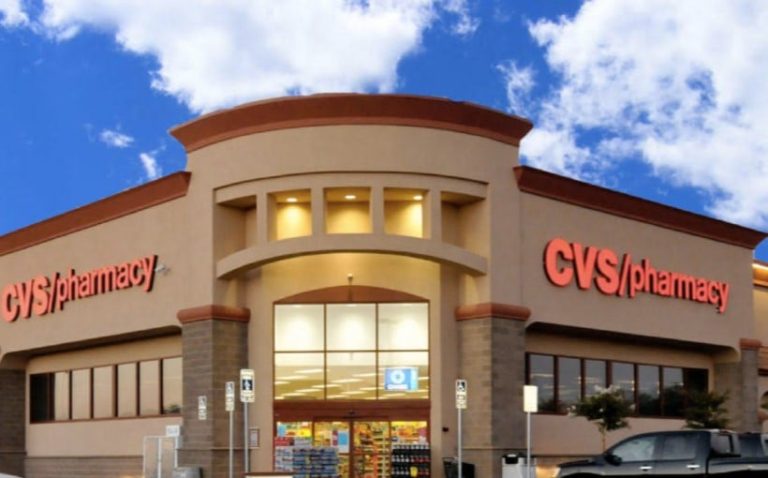
The article defined medtail as, “Healthcare services located in a retail setting.” These retail settings include strip malls, shopping centers and what Cushman & Wakefield called “shop-in-shop concepts” (such as clinics taking space in retail pharmacy centers). Tenants have included vision and dental offices, but specialty wellness services are now also growing in popularity,” the article said. Additional medtail users include:
- Occupational/physical therapy
- Holistic/alternative centers
- Veterinary and pet services
- Wellness/recovery services
Growing medtail sectors include alternative medicine, including acupuncture, homeopathy and naturopathy. The article indicated that these services include chiropractic, massage and herbal medicine.
What Landlords Should Know
On the plus side, a healthcare services tenant can help “provide creative ways for landlords to fill vacancies and generate foot traffic,” the article said. Medtail tenants are less impacted by economic cycles and can be recession-proof. Additionally, such tenants can boost foot traffic and create a new source of demand.
But retail owners need to do more than post “space available for medtail tenants.” These healthcare providers have different needs from the usual retail tenants. The article indicated that landlords should be aware of the following when considering moving into medtail leases:
- Load factors and weight constraints
The owners and landlords willing to consider medtail tenants could experience multiple advantages, including fewer vacancies and unique tenant mixes.